
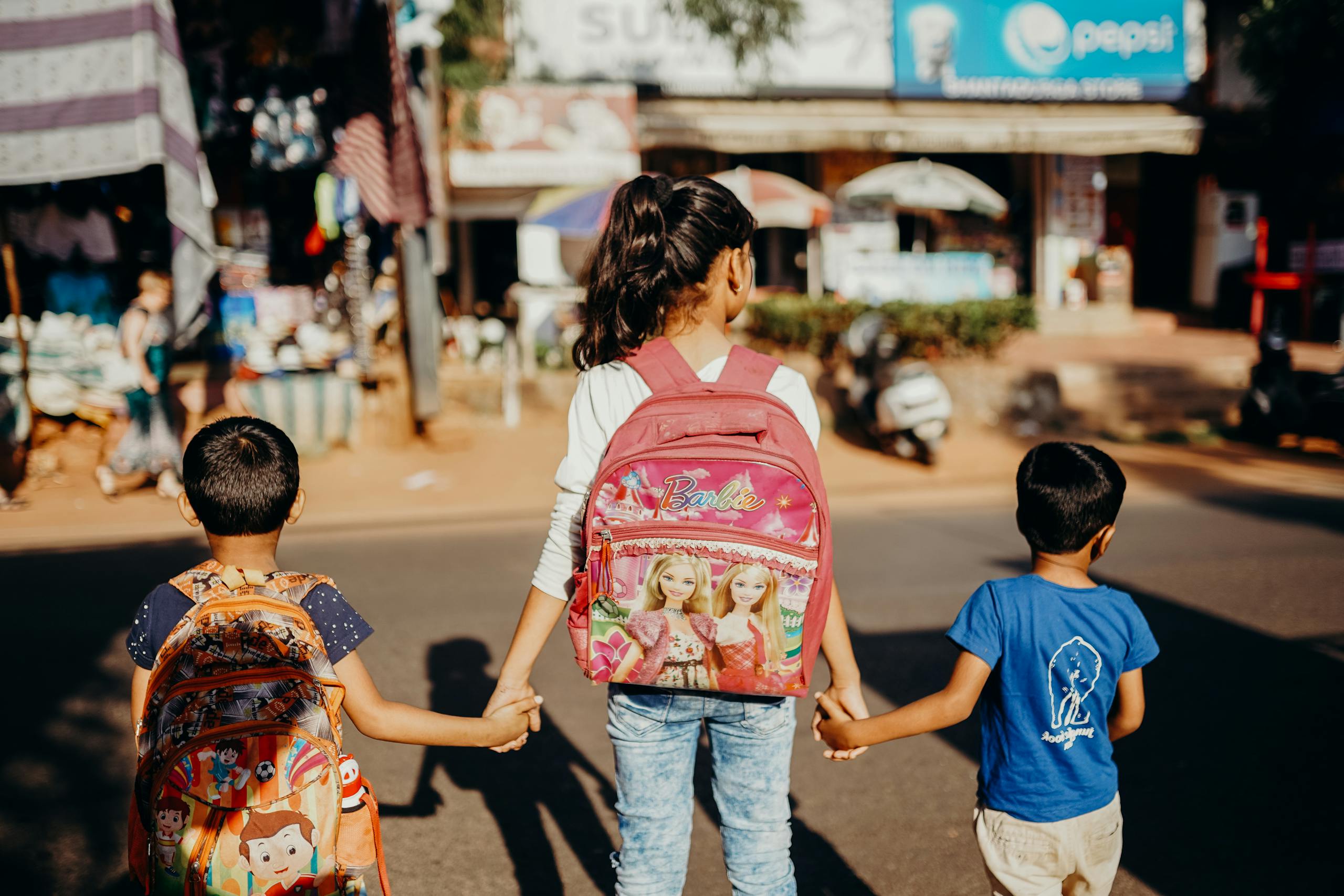
Challenges of Providing Education in Remote Areas of India
Challenges of Providing Education in Remote Areas of India
India, one of the fastest-growing economies in the world, still faces significant challenges in providing quality education to all its citizens, especially in remote areas. While urban centers have seen vast improvements in educational infrastructure and resources, rural and remote regions continue to lag behind. These areas, often located in difficult geographical terrains, face unique barriers that hinder the progress of education. Understanding these challenges is crucial for developing effective strategies that can ensure inclusive education and equal opportunities for all children, regardless of their location.
In this article, we explore the key challenges of providing education in remote areas of India and how they impact children’s ability to access quality education.
1. Geographical and Infrastructure Barriers
One of the most prominent challenges of providing education in remote areas of India is the geographical location and lack of infrastructure. Many of these areas are situated in difficult-to-reach locations, such as the hills, forests, and desert regions, where access to schools is limited or non-existent.
- Long Distances: In remote areas, schools are often far from where children live. Students may need to travel long distances, sometimes even several kilometers, to reach their schools. This can be particularly challenging for young children, especially in regions lacking adequate transportation facilities. The difficulty in commuting leads to high dropout rates and discourages children from pursuing their education.
- Poor Infrastructure: Many schools in remote areas have outdated or inadequate infrastructure. Basic facilities like electricity, clean drinking water, toilets, and adequate classrooms are often missing. This lack of infrastructure makes it difficult for students to study in a conducive environment and demotivates both students and teachers.
- Transport Issues: For children who live in geographically isolated areas, access to reliable transport can be a major hindrance. In many cases, children have to walk for hours to reach school, especially in regions that are not connected by road networks or where public transportation is infrequent.
2. Teacher Shortages and Quality of Education
Another significant barrier to education in remote areas of India is the shortage of qualified teachers. Even when schools are built, there is a lack of trained personnel to teach students effectively.
- Teacher Attrition: Teachers are often reluctant to work in remote areas due to the isolation, poor living conditions, and lack of professional development opportunities. This leads to high turnover rates in schools, which further destabilizes the education system. In some cases, schools are left with temporary or unqualified teachers, leading to poor learning outcomes.
- Lack of Teacher Training: In many remote areas, teachers may not receive adequate professional development or training. This can result in a lack of understanding of modern pedagogical techniques or subject-specific knowledge, especially in subjects like science, math, and English, which require specialized skills. This impacts the quality of education and limits the students’ ability to perform well in national exams or competitive settings.
- Inadequate Language Proficiency: In many remote regions, local dialects and languages may not be aligned with the medium of instruction, which is often Hindi or English. Teachers may struggle to bridge the language gap, making it difficult for children to comprehend lessons or excel academically.
3. Financial Constraints and Poverty
Many families in remote areas live in poverty, making it difficult for them to afford the cost of education or the associated expenses like uniforms, books, transport, and tuition fees. This is particularly true in areas where children are expected to contribute to the household income through agriculture or other labor-intensive work.
- Opportunity Cost: For many families in remote areas, education is seen as a low priority when compared to immediate economic survival. Parents often prefer their children to help with agricultural work, farming, or manual labor rather than attend school. The opportunity cost of education becomes a major deterrent.
- Lack of Financial Aid: While there are government schemes that provide scholarships, financial aid, and mid-day meal programs to support children from disadvantaged backgrounds, these often fail to reach the most isolated or rural areas. Additionally, the lack of awareness about these programs leads to underutilization.
- Child Labor: In many remote areas, child labor remains prevalent. Children, especially girls, are often forced to work at home or in fields to help support their families. This prevents them from attending school regularly and creates a cycle of poverty that is hard to break.
4. Cultural and Social Norms
Cultural and social barriers also play a significant role in limiting education in remote regions. Traditional beliefs, societal roles, and gender-based discrimination can prevent children, especially girls, from accessing education.
- Gender Discrimination: In many parts of rural India, girls are less likely to attend school compared to boys due to traditional gender roles. In some communities, girls are expected to stay at home, assist with household chores, and take care of younger siblings. This leads to higher dropout rates among girls, particularly after reaching puberty. Social norms and safety concerns often limit girls’ mobility, making it difficult for them to attend school or participate in extra-curricular activities.
- Social and Cultural Barriers: In certain regions, communities have a deep attachment to traditional ways of life, and education may not be viewed as a priority. Caste-based discrimination can also affect children’s access to education, with children from marginalized castes facing exclusion or ill-treatment in schools. These social and cultural barriers limit the potential for social mobility and can perpetuate inequality.
- Early Marriages: In some remote areas, particularly in rural and tribal communities, child marriage is still prevalent. Early marriage cuts short a girl’s education, preventing her from continuing her studies and achieving independence or financial stability.
5. Lack of Awareness and Community Involvement
In many remote areas, there is a lack of awareness about the importance of education. This is especially true in tribal or rural regions where communities may not have exposure to the benefits of education or may be unaware of government initiatives designed to improve access to education.
- Community Engagement: In some cases, communities do not prioritize education or may not fully support the educational system. In the absence of active community involvement, children may not receive the encouragement they need to attend school regularly. Awareness campaigns are often insufficient or poorly implemented in remote regions, leading to limited understanding of the benefits of education.
- Language and Communication Barriers: In some parts of India, especially in tribal areas, the local language or dialect may be vastly different from the official languages of instruction in schools. This creates a language barrier that hinders effective communication between teachers and students, making it difficult for children to understand lessons.
6. Technological Limitations
With the advent of digital education, technology has the potential to revolutionize education in remote areas. However, limited access to technology in rural and remote regions presents another significant challenge.
- Digital Divide: Many remote areas lack reliable internet connectivity, electricity, and access to modern devices like computers and smartphones. While the government has initiated programs like e-learning platforms, these resources are ineffective in areas without internet connectivity or digital infrastructure.
- Online Education: During the COVID-19 pandemic, the reliance on online education further exacerbated the disparity between urban and rural areas. Children in remote regions, without access to smartphones or internet connectivity, were unable to participate in online classes, leading to significant learning losses.
Conclusion
Providing education in remote areas of India remains an uphill challenge, but it is not insurmountable. Overcoming these barriers requires a multi-faceted approach that includes building better infrastructure, improving teacher training, reducing financial constraints, addressing social and cultural barriers, and utilizing technology to bridge the education gap. By focusing on inclusive education and leveraging government programs, NGOs, and community involvement, it is possible to ensure that children in even the most remote areas receive the education they deserve.
The challenges are complex, but the potential benefits of educating children in remote areas are immense, not only for the individuals but for society at large. Education is the key to breaking the cycle of poverty, reducing inequality, and empowering the next generation to drive social and economic progress across the country.


