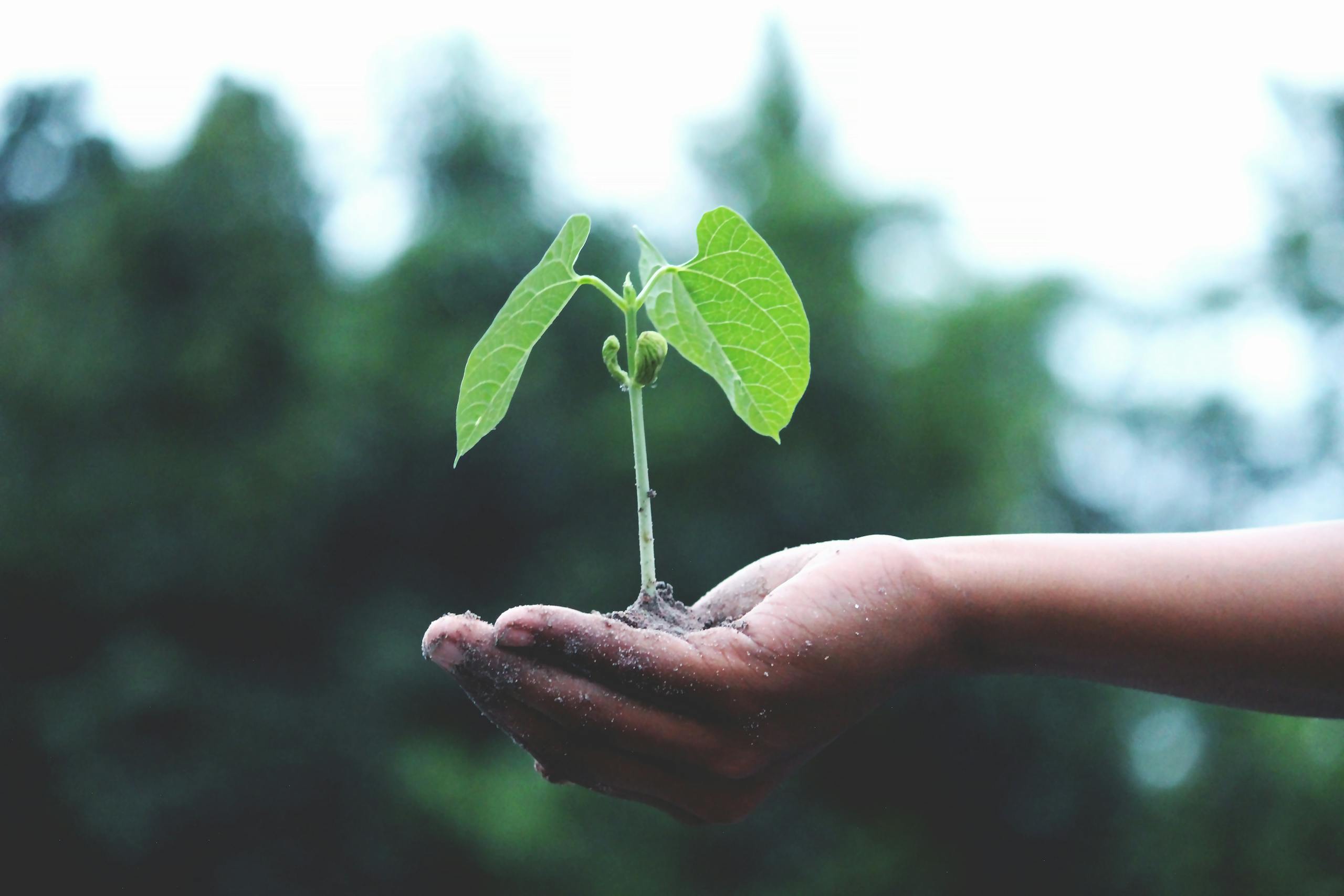
10 Simple Ways to Make an Eco-Friendly Impact in Your Daily Life
10 Simple Ways to Make an Eco-Friendly Impact in Your Daily Life
In today’s fast-paced world, adopting eco-friendly habits is no longer just a choice — it’s a responsibility. Our planet is facing environmental challenges such as pollution, deforestation, and climate change, and it’s important to do our part in preserving it. Fortunately, making a positive impact on the environment doesn’t have to be difficult or expensive. Small changes in your daily life can make a big difference. Here are 10 simple ways to make an eco-friendly impact in your daily routine.
1. Reduce, Reuse, and Recycle
The three Rs — reduce, reuse, and recycle — should be the foundation of every eco-friendly lifestyle. By reducing the amount of waste you produce, reusing items, and recycling properly, you can help reduce landfill waste and conserve resources.
- Reduce: Cut down on single-use plastics, avoid over-packaged products, and be mindful of your consumption.
- Reuse: Use items multiple times before discarding them. For example, use glass jars for storage, and repurpose old clothes into rags or craft projects.
- Recycle: Separate recyclables like paper, glass, and metal from your regular trash. Make sure to follow local recycling guidelines to ensure materials are processed properly.
2. Opt for Sustainable Transportation
Transportation is one of the biggest contributors to carbon emissions. To reduce your carbon footprint, consider adopting more sustainable transport options.
- Walk or bike for short distances to reduce your reliance on cars.
- Use public transportation whenever possible.
- Carpool with friends or colleagues to minimize the number of vehicles on the road.
- If you must drive, consider switching to an electric vehicle or one with high fuel efficiency.
3. Cut Down on Energy Consumption
Conserving energy in your home is an easy and effective way to help the environment and save on your utility bills. Here’s how to make a difference:
- Turn off lights, appliances, and electronics when not in use.
- Replace traditional light bulbs with energy-efficient LEDs.
- Opt for smart thermostats to control your heating and cooling efficiently.
- Unplug devices when they’re not being used to avoid phantom energy drain.
4. Switch to Eco-Friendly Products
Many everyday household products are harmful to the environment due to their ingredients or packaging. By opting for eco-friendly alternatives, you can reduce the harmful chemicals released into the environment and support sustainable businesses.
- Choose products made from natural, non-toxic ingredients, such as cleaning supplies, cosmetics, and toiletries.
- Look for products with minimal or plastic-free packaging, such as bamboo toothbrushes, reusable containers, and paper-based packaging.
- Buy products from companies that follow ethical sourcing practices and use sustainable materials.
5. Adopt a Plant-Based Diet
Food production, especially animal agriculture, has a significant environmental impact. By making more plant-based choices, you can help conserve resources like water, land, and energy.
- Start by reducing meat and dairy in your diet. Try substituting meat with plant-based proteins like beans, lentils, tofu, or quinoa.
- Shop locally and seasonally to reduce the carbon footprint of transporting food.
- Grow your own fruits and vegetables, even in small urban spaces or on balconies, to reduce food miles and promote organic farming practices.
6. Practice Water Conservation
Water is a precious resource, and conserving it is vital for both the environment and future generations. Simple actions can make a big difference in reducing water waste:
- Turn off the tap while brushing your teeth or washing dishes.
- Fix leaky faucets and install low-flow showerheads and toilets to reduce water usage.
- Collect rainwater in barrels to water plants and gardens.
- Use a dishwasher or washing machine only when fully loaded to save water and energy.
7. Support Eco-Friendly Brands and Businesses
Your buying choices have a significant impact on the environment. Supporting companies that are committed to sustainability helps encourage more businesses to adopt eco-friendly practices.
- Buy products from brands that prioritize sustainability and use ethical practices, such as fair wages and environmentally conscious production methods.
- Choose local artisans or small businesses that offer handmade, sustainable products over mass-produced items.
- Support companies that offer repair services or take back old products to reduce e-waste and encourage recycling.
8. Use Less Paper
Paper production has a major environmental impact, contributing to deforestation, water waste, and pollution. Here’s how you can cut down on paper use:
- Go digital by using electronic bills, documents, and notes instead of printing.
- Switch to paperless billing with your utility companies and service providers.
- Use both sides of paper when printing and try to buy recycled paper for office use.
- Recycle used paper and cardboard products properly.
9. Compost Your Organic Waste
Organic waste, such as food scraps and yard trimmings, makes up a significant portion of landfill waste. By composting, you can turn these materials into rich, nutrient-dense soil for your garden, reducing waste and enriching the earth.
- Set up a composting system at home for food waste, yard clippings, and other organic materials.
- Avoid composting non-biodegradable items, such as plastics or meat.
- Use compost to improve the health of your garden and plants, reducing the need for chemical fertilizers.
10. Practice Eco-Friendly Gardening
Gardening is an excellent way to contribute to environmental sustainability, especially when done with eco-friendly practices.
- Grow your own food by planting fruits, vegetables, and herbs, which reduces your carbon footprint and food waste.
- Use organic fertilizers and avoid synthetic pesticides or herbicides that harm the environment.
- Plant native species in your garden, which require less water and provide habitat for local wildlife.
- Create a pollinator-friendly garden by planting flowers and plants that attract bees and butterflies.
Conclusion
Making an eco-friendly impact in your daily life doesn’t require drastic changes. By making small adjustments to your habits and lifestyle, you can significantly contribute to the preservation of the environment. Whether it’s reducing waste, conserving water, or supporting sustainable businesses, every action counts. Start with one or two changes, and over time, they will become second nature, helping you live more sustainably and responsibly.
By adopting these simple practices, we can all help build a cleaner, greener, and more sustainable future for generations to come.