Addressing the Digital Divide in India’s Urban and Rural Areas
Addressing the Digital Divide in India’s Urban and Rural Areas
India, with its large and diverse population, has witnessed an increasing digital transformation over the last decade. However, despite the rapid advancements in technology, there remains a significant digital divide between urban and rural areas. This divide refers to the disparity in access to and usage of digital technology, such as the internet, smartphones, and computers. While urban areas have embraced digital technologies, rural India lags behind due to various socio-economic, infrastructural, and educational challenges. Addressing this digital divide is crucial for India’s progress, ensuring that all citizens have equal opportunities to access information, education, healthcare, and economic opportunities.
In this article, we will explore the causes of the digital divide in India, its impact on different communities, and the efforts being made to bridge this gap.
1. Understanding the Digital Divide in India
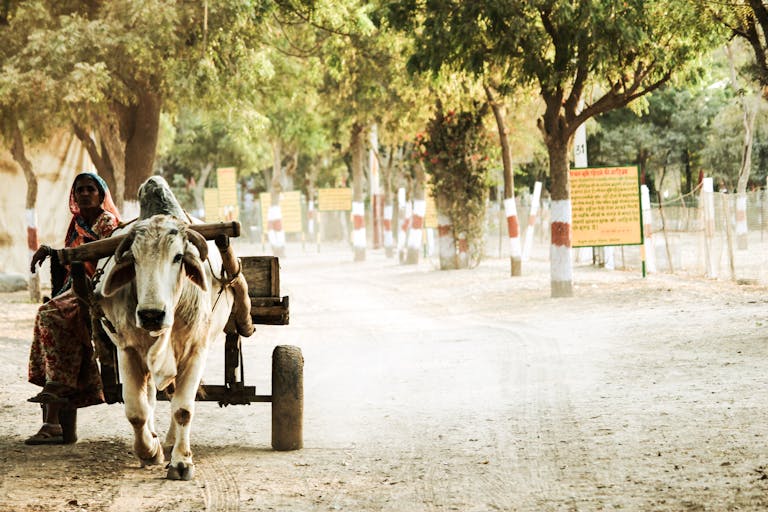
The digital divide in India refers to the unequal distribution of access to digital technologies between different regions, social groups, and communities. While cities like Delhi, Bengaluru, and Mumbai have widespread internet coverage, access to smartphones, and digital services, rural areas face significant barriers. These barriers include poor internet connectivity, limited digital literacy, and a lack of necessary infrastructure, preventing millions of people from harnessing the benefits of the digital age.
- Urban vs Rural Access: In urban India, internet penetration is high, and people have relatively easy access to smartphones, high-speed internet, and online services. In contrast, rural India is characterized by limited or unreliable internet connectivity, low mobile network coverage, and a lack of digital infrastructure such as Wi-Fi networks and broadband.
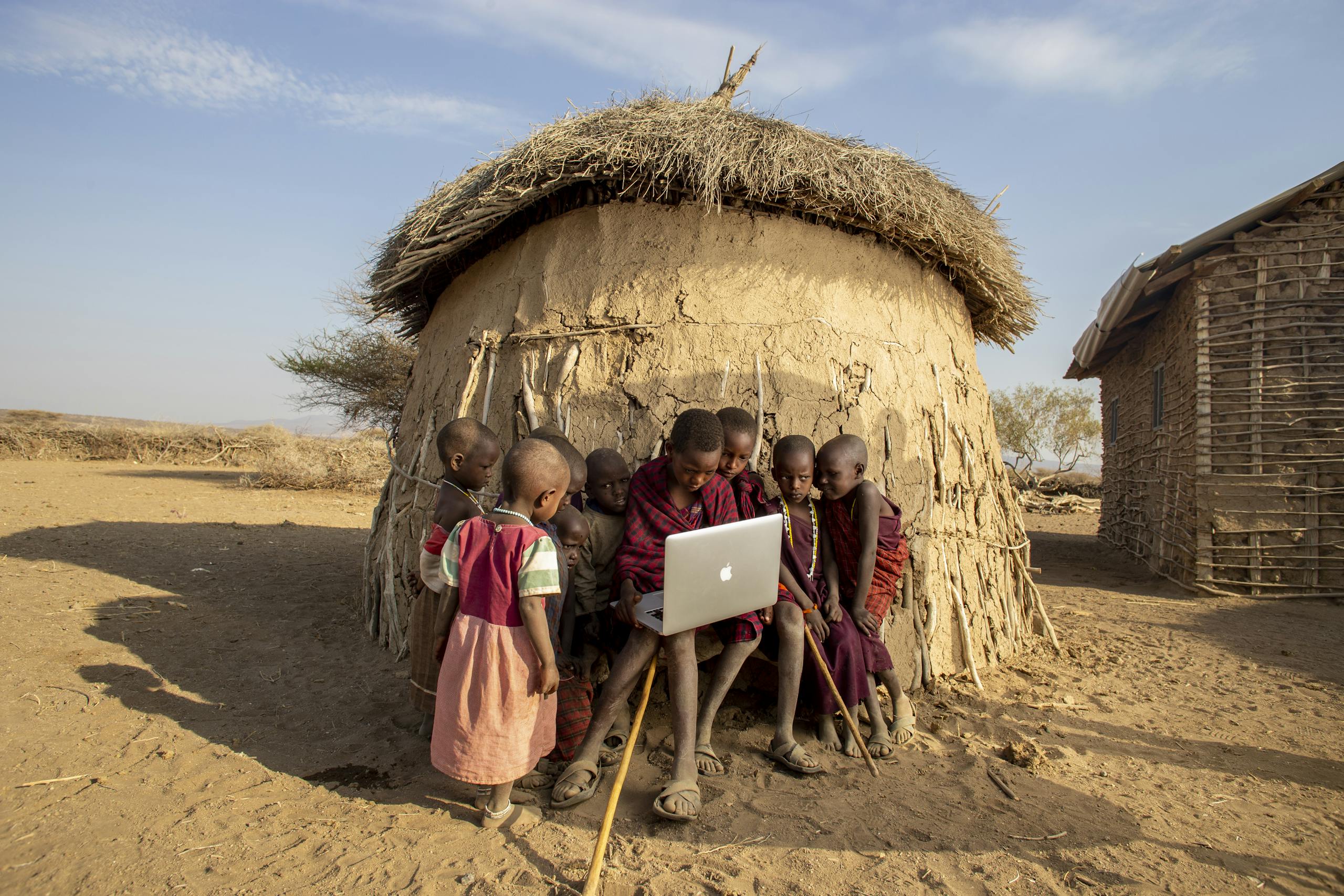
- Digital Literacy Gap: Even when internet access is available in rural areas, many individuals, especially the older generation and women, may lack the digital literacy required to use smartphones, computers, or online platforms effectively. This digital illiteracy exacerbates the gap, preventing rural populations from fully benefiting from technology.
2. Key Causes of the Digital Divide in Urban and Rural Areas
Several factors contribute to the growing digital divide between India’s urban and rural areas. These include economic disparities, infrastructural challenges, social inequality, and educational barriers.
- Economic Barriers: The cost of digital devices such as smartphones, tablets, and computers, as well as the cost of data services, remains a significant barrier for many rural households. In urban areas, people are more likely to afford high-speed internet and digital devices, while in rural areas, even basic mobile phones may be out of reach for economically disadvantaged groups.
- Infrastructure Limitations: Urban areas generally have better internet and mobile network infrastructure. High-speed broadband connections, Wi-Fi hotspots, and mobile tower coverage are more common in cities, whereas rural areas may struggle with low-speed internet, frequent outages, and poor network coverage. Many villages still lack basic infrastructure, making it difficult for rural populations to engage in digital activities.
- Educational and Skill Gaps: The digital literacy gap is another significant factor. Many rural residents, particularly those in underserved areas, lack the basic knowledge and skills to use digital devices and navigate the internet. While urban schools and institutions are increasingly integrating digital technologies into education, rural areas still face challenges in providing such opportunities, leading to unequal access to digital education.
- Social Inequality: Rural India is often marked by social inequalities related to caste, gender, and income. Women, in particular, face greater barriers to digital inclusion due to social norms, limited education, and a lack of access to digital devices. Similarly, marginalized communities in rural areas may not have equal access to digital resources, exacerbating existing disparities.
3. Impact of the Digital Divide on Rural India
The digital divide has a far-reaching impact on rural India, affecting various aspects of life, from education to healthcare and economic opportunities.
- Limited Educational Opportunities: In rural areas, the lack of access to the internet and digital tools hinders students’ ability to access online learning platforms, educational content, and virtual classrooms. This digital gap contributes to poor educational outcomes, further entrenching inequality between urban and rural children.
- Inaccessibility of Healthcare Services: Telemedicine, online health consultations, and access to health-related information can significantly improve healthcare services in rural India. However, the digital divide restricts rural residents from benefiting from these advancements. In emergencies, lack of access to information and online resources can delay diagnosis and treatment, leading to poor health outcomes.
- Economic Disparities: Digital technologies provide opportunities for rural entrepreneurs, farmers, and artisans to access markets, financial services, and government schemes. The lack of digital access in rural areas limits the growth of local businesses and hinders access to government welfare programs that are increasingly digitized.
- Social Isolation and Empowerment: The digital divide perpetuates social isolation in rural areas. Lack of access to social media, online communities, and information sharing keeps rural populations disconnected from national and global developments. Women, in particular, miss out on opportunities for empowerment, education, and economic independence that digital platforms can provide.
4. Efforts to Bridge the Digital Divide
Several initiatives, both government and non-government, are actively working to bridge the digital divide in India, particularly in rural areas. These efforts focus on improving infrastructure, enhancing digital literacy, and making digital technologies more affordable and accessible.
A. Government Initiatives
The Indian government has launched various programs and schemes aimed at improving digital access and literacy, especially in rural areas:
- BharatNet Project: This government initiative aims to provide high-speed broadband connectivity to over 250,000 gram panchayats (village councils) across the country. By expanding internet access to rural areas, BharatNet is expected to significantly enhance connectivity, enabling rural populations to access essential services like education, healthcare, and government welfare programs.
- Digital India Campaign: Launched in 2015, the Digital India campaign aims to empower citizens through digital technologies. It focuses on improving internet connectivity, digital literacy, and online government services. Through initiatives like the Common Service Centres (CSCs), the government is providing rural citizens with access to online services such as digital education, banking, and health consultations.
- PMGDISHA (Pradhan Mantri Gramin Digital Saksharta Abhiyan): This program aims to make at least one member in every rural household digitally literate. PMGDISHA provides basic digital literacy training, including using computers and smartphones, accessing the internet, and availing of government digital services.
- Skill Development and Education Programs: The government is also integrating digital learning into rural education through the introduction of e-learning platforms and digital classrooms. Initiatives like SWAYAM (Study Webs of Active Learning for Young Aspiring Minds) offer online courses to students across the country, including those in remote areas.
B. Private Sector and NGO Initiatives
In addition to government efforts, several private sector companies and NGOs are playing an important role in bridging the digital divide:
- Corporate Social Responsibility (CSR) Programs: Many private companies are contributing to digital inclusion through CSR initiatives. Companies like Google, Microsoft, and Reliance Jio have partnered with local organizations to promote digital literacy, provide affordable internet access, and improve digital infrastructure in rural India.
- NGOs and Social Enterprises: NGOs like Digital Empowerment Foundation (DEF) and Barefoot College are working to train rural women in digital skills, thereby empowering them to access economic opportunities and improve the quality of life for their families. Additionally, social enterprises like Kiva and Rang De are using digital platforms to provide micro-loans to rural entrepreneurs and farmers, enabling them to access financial resources that would otherwise be out of reach.
C. Promoting Affordable Internet Access
One of the most important aspects of bridging the digital divide is ensuring that internet access is affordable and accessible to all. Initiatives like the expansion of 4G networks, low-cost data plans, and subsidized smartphones are making it easier for rural families to stay connected. Additionally, local internet cafes and community centers are providing affordable internet access to people in rural areas.
5. Conclusion: A Path Towards Digital Inclusion
The digital divide between urban and rural India is a major barrier to the country’s inclusive growth and development. However, through concerted efforts from the government, private sector, NGOs, and local communities, there are significant strides being made to bridge this gap. Expanding internet access, improving digital literacy, and making digital services more affordable will help empower rural populations, enabling them to participate in the digital economy, access better education and healthcare, and improve their livelihoods.
Addressing the digital divide is essential for ensuring that every Indian, regardless of where they live, can fully benefit from the opportunities of the digital age. By continuing to invest in digital infrastructure, education, and affordability, India can create a more equitable and inclusive society where no one is left behind in the digital revolution.