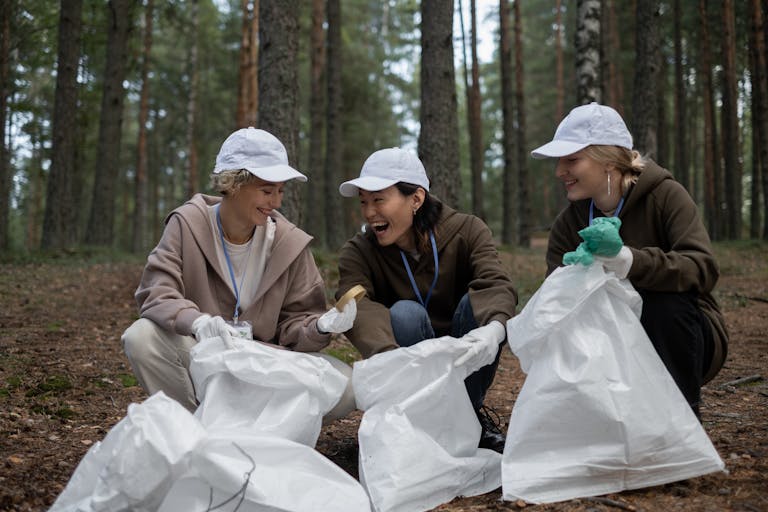
The Power of Collaboration: How NGOs and Communities Can Work Together
The Power of Collaboration: How NGOs and Communities Can Work Together
Collaboration between NGOs and communities has proven to be a powerful driver of social change, especially in areas where public resources or government programs fall short. By working together, NGOs and communities can combine expertise, local knowledge, and resources to address complex social, economic, and environmental challenges. This partnership-based approach has shown remarkable success in fostering long-term, sustainable development that is truly aligned with the needs and priorities of local people.
Here’s how the power of collaboration between NGOs and communities can create transformative change, promote self-reliance, and build resilient communities.
1. Empowering Local Voices
At the heart of successful collaboration is the principle of empowering local voices. Communities possess deep knowledge of the local issues they face, and NGOs bring specialized skills, experience, and funding that can support change efforts. When NGOs and communities work together, they create solutions rooted in local realities rather than imposing external agendas.
For example, when NGOs prioritize community participation in decision-making, local people feel respected and valued, which increases community buy-in and engagement. By listening to community members and involving them in program planning, NGOs ensure that their efforts are meaningful and reflect the actual needs of the population. This collaborative approach also fosters a sense of ownership, helping communities feel that they are equal partners in the process.
2. Addressing Grassroots Issues with Tailored Solutions
NGOs and communities working together are better equipped to create tailored solutions that address the unique issues within specific local contexts. While NGOs may come with expertise on certain topics, local communities provide crucial insights into the cultural, social, and economic dynamics at play.
For instance, water scarcity in a desert region will require different strategies than it would in a flood-prone area. NGOs can bring in technical knowledge on water conservation or sanitation, while community members can share their traditional knowledge, such as rainwater harvesting techniques or local crop resilience practices. This partnership enables tailored interventions that reflect and respect the way communities have historically coped with challenges.
3. Building Capacity for Long-Term Development
One of the most impactful contributions NGOs can make to a community is capacity building. Rather than only providing short-term relief or resources, NGOs can focus on equipping communities with the skills, knowledge, and resources they need to address challenges independently. This approach creates long-term sustainability, as communities learn to maintain and expand upon the solutions established during the partnership.
For example, NGOs involved in agricultural development can train farmers on sustainable farming practices, efficient irrigation, and market access. Through workshops, field visits, and knowledge-sharing programs, communities gain technical skills that they can continue to apply and adapt, even after the NGO’s involvement has ended. In this way, the focus shifts from dependency on external aid to empowerment and self-reliance.
4. Creating Economic Opportunities
NGOs and communities can also collaborate to create economic opportunities that improve livelihoods and reduce poverty. By identifying local assets and resources, they can develop income-generating projects that are sustainable and aligned with community strengths. This might involve setting up vocational training programs, supporting small businesses, or promoting sustainable tourism.
In India, for instance, NGOs have collaborated with rural communities to establish self-help groups (SHGs), which empower women by providing microloans and facilitating small business ventures. These groups allow community members to pool their resources, access low-interest loans, and start small businesses. By supporting entrepreneurship, NGOs help communities build economic resilience and improve financial stability.
5. Promoting Social Inclusion and Equity
Collaboration between NGOs and communities can also help address social inequalities by promoting inclusivity and equity. Many communities face systemic barriers based on gender, caste, religion, or socio-economic status, which often prevent marginalized groups from accessing resources or participating fully in development processes.
NGOs play a vital role in advocating for inclusive policies and creating platforms where all voices are heard. For example, in regions where women or marginalized castes have historically had limited decision-making power, NGOs can create safe spaces for them to engage in leadership and community planning. By promoting inclusivity, collaborative efforts work toward breaking down social barriers and fostering a more equitable society.
6. Improving Health and Education Outcomes
Health and education are critical areas where NGOs and communities can achieve significant impact together. Community-driven health programs often lead to better outcomes than top-down approaches, as local involvement helps identify the barriers to accessing healthcare or education.
For example, in regions where healthcare facilities are scarce, NGOs may work with communities to establish local health centers, train community health workers, or provide mobile health services. Community members who are trained as health workers can provide basic services, monitor public health issues, and educate their neighbors on preventive care practices.
Similarly, NGOs and communities can collaborate to improve educational opportunities by establishing informal schools, running adult literacy programs, or offering scholarships. Community members can assist in identifying children who have dropped out of school or lack access to education, while NGOs provide the resources and training needed to bridge educational gaps.
7. Raising Environmental Awareness and Climate Resilience
Environmental challenges require collective action, and NGOs and communities are natural allies in promoting environmental conservation and climate resilience. Local communities are often the first to experience the effects of environmental degradation, making them deeply invested in solutions.
For example, NGOs focused on environmental conservation work with rural and forest-dependent communities to promote sustainable resource management practices. In forested areas, NGOs may collaborate with locals to protect endangered ecosystems by introducing agroforestry techniques, protecting biodiversity, and raising awareness about illegal logging.
Moreover, by involving communities in disaster preparedness and climate adaptation strategies, NGOs help equip them to cope with and respond to climate challenges. Programs that introduce sustainable farming, rainwater harvesting, and soil conservation improve the resilience of communities facing climate impacts.
8. Building Trust and Solidarity for Greater Impact
Successful collaborations between NGOs and communities are built on trust and solidarity. Establishing this trust requires time, patience, and a genuine respect for the community’s values and practices. When NGOs enter a community with the mindset of partnership rather than charity, they lay the groundwork for relationships based on mutual respect and shared goals.
Trust fosters greater community participation, openness, and transparency, which are all critical for sustainable development. When communities trust NGOs, they are more likely to engage, share feedback, and commit to the long-term success of projects. In turn, NGOs that listen and adapt based on community input can achieve far more meaningful and lasting results.
9. Leveraging Local Networks for Greater Outreach
Community members have extensive social networks that can significantly expand the reach of NGO programs. By tapping into these networks, NGOs can spread awareness, share resources, and encourage greater participation. When community members become advocates for a project, they help mobilize others, creating a grassroots momentum that can lead to transformative change.
Local networks are especially valuable in rural areas, where government resources and infrastructure are limited. By leveraging these networks, NGOs and communities can reach isolated areas, distribute information, and build resilient support systems.
10. Shaping Policy and Advocacy
When NGOs and communities join forces, they also gain more influence in shaping policies that reflect grassroots needs. Community advocacy, supported by NGO resources, can amplify local voices in regional or national forums. This collaboration is especially impactful in bringing about changes in areas like environmental regulation, land rights, and social justice.
Through joint advocacy, NGOs and communities can engage policymakers, campaign for legal reforms, and hold authorities accountable. By highlighting local issues on a broader platform, these partnerships ensure that policies are grounded in the lived realities of the people they impact.
Conclusion
The power of collaboration between NGOs and communities lies in their ability to combine local insights with organizational expertise, driving positive and sustainable change. Together, they can address complex issues with community-based solutions that are meaningful, effective, and empowering. By focusing on trust, inclusion, and shared goals, NGOs and communities can create a lasting impact that not only addresses immediate challenges but also builds resilience for future generations.
Ultimately, the collaboration between NGOs and communities is a testament to the strength of collective action. As they work hand in hand to improve health, education, economic opportunities, and environmental resilience, they pave the way for a more equitable and sustainable future for all.