Preparing for the Next Disaster: Essential Tips for Families Across India
Preparing for the Next Disaster: Essential Tips for Families Across India
India is one of the most disaster-prone countries in the world, experiencing a wide range of natural disasters such as floods, cyclones, earthquakes, droughts, and landslides. These events not only lead to significant loss of life but also disrupt communities, economies, and infrastructure. In light of these frequent occurrences, it is crucial that families across India are well-prepared for the next disaster. Disaster preparedness can significantly reduce the impact on lives and property, ensuring a quicker recovery. This article provides essential tips to help Indian families prepare for the next disaster, safeguarding themselves, their loved ones, and their homes.
1. Understand the Types of Disasters in Your Region
India’s diverse geography means that different regions are prone to specific types of disasters. It is essential for every family to understand the disaster risks they are most likely to face based on their location. For instance:
- Coastal Areas (e.g., Odisha, Andhra Pradesh, West Bengal): Vulnerable to cyclones, tsunamis, and storm surges.
- Flood-Prone Regions (e.g., Assam, Bihar, Uttar Pradesh, Kerala): Prone to monsoon flooding, especially in low-lying areas.
- Earthquake-Prone Zones (e.g., Jammu & Kashmir, Uttarakhand, Gujarat, Northeast): Risk of earthquakes and landslides.
- Drought-Affected Areas (e.g., Rajasthan, Maharashtra, Karnataka): Prone to water shortages and heatwaves.
By understanding the risks specific to your area, you can tailor your preparedness plan to suit the type of disaster most likely to strike.
2. Create a Comprehensive Disaster Preparedness Plan
Having a clear and actionable disaster preparedness plan is essential for families. This plan should outline specific steps for before, during, and after a disaster. Key aspects of the plan include:
a) Evacuation Plan:
- Identify safe routes out of your home and neighborhood.
- Locate emergency shelters such as schools, community halls, or government buildings.
- Establish a meeting point where family members can reunite if separated during evacuation.
b) Communication Plan:
- Ensure everyone in the family knows emergency phone numbers (e.g., police, ambulance, fire department).
- Share contact details of relatives or friends outside the affected area for communication if local networks are down.
- Have a backup plan in case cell phones are not working (e.g., using landlines or two-way radios in remote areas).
c) Roles and Responsibilities:
- Assign clear roles to each family member. For instance, one person may be responsible for grabbing the emergency kit, while another can help evacuate pets or elderly relatives.
- Ensure everyone, especially children, knows what to do and how to respond during a disaster.
3. Build an Emergency Kit
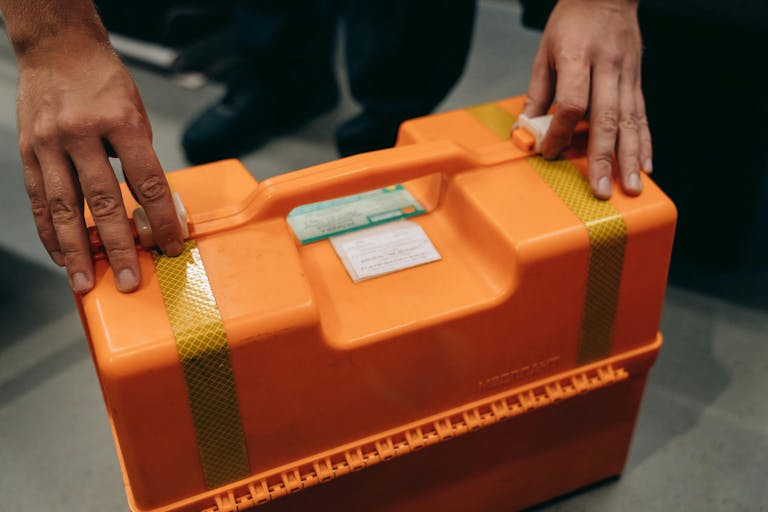
Having a well-stocked emergency kit can make a significant difference in the event of a disaster. Pack essential items that can support your family for at least 72 hours. Here’s what to include:
a) Basic Supplies:
- Non-perishable food items (e.g., canned goods, energy bars, dried fruits).
- Water (at least 3 liters per person per day for drinking and hygiene).
- First aid kit (bandages, antiseptics, medicines, pain relievers).
- Personal hygiene items (soap, toothbrush, toilet paper, wet wipes, etc.).
- Battery-powered flashlight and extra batteries.
- Portable phone charger and power banks.
b) Important Documents:
- Copies of identification cards, insurance policies, and medical records.
- Cash in small denominations, as ATMs or card machines may be out of service during a disaster.
c) Clothing and Bedding:
- Spare clothes (including warm clothing if in cold regions or light clothing for heat-prone areas).
- Blankets or sleeping bags to keep warm.
- Sturdy shoes for walking through rubble or flooded areas.
d) Other Essentials:
- Chargers for electronic devices (phones, laptops).
- Whistle to signal for help.
- Power backup for critical medical devices (e.g., oxygen concentrators, CPAP machines).
4. Secure Your Home
Ensure your home is disaster-resistant by taking preventive measures to minimize damage. Depending on the type of disaster, here are a few steps to follow:
a) Flood-Proofing:
- Elevate important items like electrical appliances, furniture, and documents above flood levels.
- Install sump pumps and seal cracks in the foundation to prevent water seepage.
- Keep sandbags, plastic sheeting, and waterproof containers to protect against water damage.
b) Earthquake-Proofing:
- Strengthen the structure of your home by retrofitting with earthquake-resistant materials (especially in high-risk zones).
- Secure heavy furniture, bookshelves, and appliances to prevent them from falling during shaking.
- Keep heavy objects on lower shelves to avoid injury during tremors.
c) Cyclone-Proofing:
- Reinforce doors and windows with storm shutters or steel coverings.
- Ensure that the roof is securely fastened and can withstand strong winds.
- Keep outdoor items (e.g., garden furniture) secured, as they can become dangerous projectiles during cyclones.
d) Fire Safety:
- Install fire alarms and have fire extinguishers easily accessible.
- Know the escape routes in case of a fire and conduct regular fire drills with your family.
5. Stay Informed with Early Warning Systems
Staying informed about weather conditions and potential disasters is critical. To stay alert:
a) Weather Apps:
- Download reliable weather apps such as the India Meteorological Department (IMD) app, which provides real-time information on cyclones, thunderstorms, and other weather patterns.
b) Government Alerts:
- Subscribe to emergency SMS alerts from the government or local disaster management authorities.
- Tune into radio stations or community apps for updates during a disaster.
c) Local Community Networks:
- Stay connected with your neighbors and local community groups that often share real-time updates, especially in areas with limited infrastructure.
6. Prepare for Specific Disasters
Each type of disaster requires a different response. Families should educate themselves on how to act in the event of specific natural calamities:
a) For Earthquakes:
- During shaking, drop, cover, and hold on under sturdy furniture or against an interior wall.
- After the tremors, check for hazards like gas leaks and fire.
- Move away from damaged structures and avoid using elevators.
b) For Floods:
- Move to higher ground immediately if flooding is imminent.
- Never walk or drive through flooded areas, as water may be deeper or faster than it appears.
- After the flood, wait for official signals that the area is safe to return.
c) For Cyclones:
- Stay indoors and take shelter in a windowless room or basement.
- Keep emergency supplies, including a battery-powered radio, to stay updated on the cyclone’s path.
- After the cyclone, avoid stepping outside until authorities give the all-clear signal.
d) For Heatwaves:
- Drink plenty of water and avoid direct sunlight during peak hours.
- Wear light, loose-fitting clothing and apply sunscreen.
- Stay indoors during the hottest parts of the day, preferably in air-conditioned spaces.
7. Mental Health and Psychological Preparedness
Natural disasters can take a significant emotional toll on families. It is essential to ensure mental and emotional preparedness alongside physical readiness. Steps to take include:
- Maintain a calm demeanor to reassure children and elderly family members.
- Establish a support system with friends, neighbors, or community groups who can help emotionally and physically during recovery.
- Seek psychological counseling if the disaster has caused emotional trauma.
8. Insurance and Financial Planning
Ensure that your family is financially prepared for a disaster. A comprehensive insurance policy covering home, health, and life can provide financial relief in case of property loss, medical expenses, or death due to a disaster. Keep important documents such as insurance papers in a safe and accessible place.
Conclusion
Disaster preparedness is not just about securing your home or having an emergency kit; it’s about creating a comprehensive and organized plan that can save lives and reduce the impact of natural calamities. By understanding the risks, securing your home, preparing emergency kits, and staying informed, families across India can significantly increase their chances of surviving and recovering from disasters. Whether it’s an earthquake, flood, cyclone, or drought, being prepared can make all the difference when disaster strikes. Stay safe, stay informed, and be prepared to face the next disaster with resilience and strength.