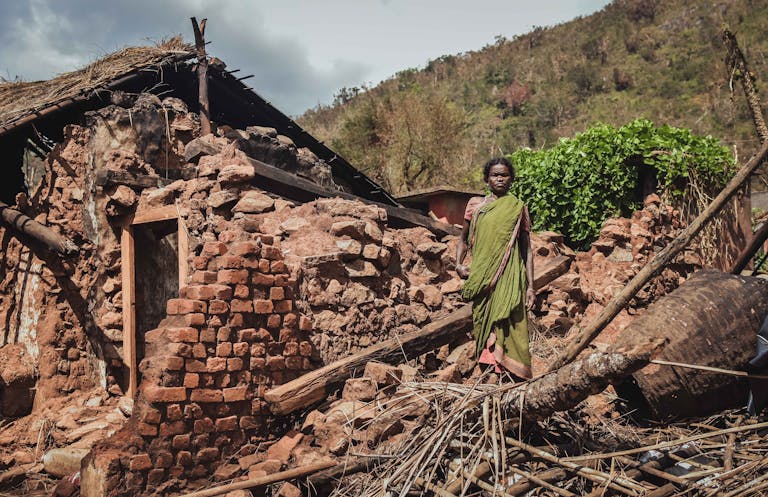
5 Key Ways Community Development Can Uplift Rural India
5 Key Ways Community Development Can Uplift Rural India
Community development is pivotal for empowering rural India, where nearly 65% of the population resides. The focus of community development is to improve local resources, uplift the standard of living, and foster sustainable growth. By addressing areas such as education, healthcare, infrastructure, economic empowerment, and social welfare, community development can transform rural regions, providing opportunities and improving quality of life. This article explores five key ways community development can uplift rural India and foster long-term growth for the country.
1. Education and Skill Development
Education is the foundation of community development, especially in rural areas where literacy rates and educational facilities are often limited. Enhancing education and skill development initiatives can have a transformative impact on rural communities by:
- Improving literacy rates: A more educated population is better equipped to engage in local governance, participate in economic activities, and make informed decisions.
- Creating job opportunities: Skill development programs in fields like agriculture, handicrafts, IT, and entrepreneurship enable people to earn a livelihood locally, reducing migration to urban areas.
- Empowering women and youth: Educational initiatives that focus on women and youth, in particular, can lead to social and economic empowerment, transforming entire communities.
The government and NGOs play a vital role in improving access to quality education in rural India. Initiatives like Pradhan Mantri Kaushal Vikas Yojana (PMKVY) and partnerships with private sector organizations help provide skill-based training, promoting self-reliance and encouraging entrepreneurship.
2. Healthcare and Sanitation Initiatives
Improving healthcare and sanitation is essential for the holistic development of rural communities. Poor healthcare infrastructure and lack of basic amenities, such as clean water and sanitation, contribute to health challenges in rural India. Community development efforts in healthcare can help address these issues by:
- Building health infrastructure: Setting up rural healthcare centers, mobile medical units, and telemedicine facilities can make healthcare more accessible.
- Raising awareness about hygiene: Community education on sanitation practices and hygiene reduces the spread of infectious diseases, improving public health.
- Providing maternal and child healthcare: Special attention to maternal and child health can reduce infant and maternal mortality rates, which are often higher in rural regions.
Programs like Swachh Bharat Abhiyan (Clean India Mission) and Ayushman Bharat are helping improve health and sanitation conditions across rural India. These initiatives not only enhance community well-being but also reduce healthcare-related economic burdens on rural families.
3. Infrastructure Development
Infrastructure is the backbone of economic and social growth, and developing rural infrastructure is a core aspect of community development. Improved infrastructure enables better access to resources, education, healthcare, and employment, contributing to an overall increase in quality of life. Key infrastructure areas that significantly uplift rural communities include:
- Road connectivity: Building roads and bridges enhances connectivity, making it easier for rural populations to access markets, schools, and healthcare facilities.
- Electricity and internet access: Providing rural areas with consistent electricity and digital connectivity empowers people with access to online resources, digital banking, and government services.
- Water and irrigation facilities: Infrastructure for water supply and irrigation supports agriculture, a primary livelihood in rural areas, and ensures water security for households.
The Pradhan Mantri Gram Sadak Yojana (PMGSY) and Digital India initiatives aim to bridge the rural-urban gap by improving infrastructure, thereby creating new economic and social opportunities for rural India.
4. Economic Empowerment through Self-Help Groups (SHGs) and Microfinance
Economic empowerment is crucial for the sustainable development of rural communities. One of the most effective methods for achieving economic independence is through Self-Help Groups (SHGs) and microfinance initiatives. These models support financial inclusion and provide rural populations with resources to improve their livelihoods. Economic empowerment in rural India can be achieved through:
- Access to microfinance loans: Microfinance provides small loans to rural entrepreneurs, enabling them to start businesses, expand agricultural activities, or invest in other income-generating ventures.
- Promoting SHGs: Self-Help Groups, often focused on women, provide a platform for savings, loans, and income-generating activities. SHGs help rural women gain financial independence, contribute to family income, and participate in local governance.
- Encouraging local businesses: Community development programs encourage the establishment of small enterprises in sectors like dairy farming, handicrafts, and food processing, which create local employment and economic growth.
Programs like the National Rural Livelihood Mission (NRLM) and Mudra Yojana support microfinance and SHG initiatives, empowering rural residents financially and promoting self-sufficiency within communities.
5. Environmental Conservation and Sustainable Agriculture
Environmental sustainability is a growing concern worldwide, and it’s especially relevant in rural India, where communities rely heavily on natural resources for their livelihoods. Sustainable agricultural practices and environmental conservation are essential components of community development that benefit rural regions. Key environmental initiatives that uplift rural India include:
- Promoting organic and sustainable farming: Encouraging organic farming, crop rotation, and soil conservation techniques help maintain soil fertility and improve agricultural yields in a sustainable manner.
- Water conservation projects: Community-led water conservation projects, like rainwater harvesting and watershed management, ensure water availability for agriculture and household use.
- Renewable energy adoption: Providing access to solar energy and other renewable sources reduces dependency on non-renewable resources, lowers costs, and supports a cleaner environment.
Programs like the National Mission for Sustainable Agriculture and MNREGA (Mahatma Gandhi National Rural Employment Guarantee Act) support sustainable farming and environmental conservation projects, leading to improved agricultural productivity and resilience to climate change.
Conclusion
Community development in rural India has the potential to transform lives, empower communities, and contribute to the nation’s overall growth. Through initiatives focused on education, healthcare, infrastructure, economic empowerment, and environmental sustainability, rural India can achieve significant progress. These efforts not only uplift individual communities but also enhance the country’s socioeconomic fabric as a whole. The government, NGOs, and private sector must continue to work together to implement community development initiatives, ensuring a brighter and more sustainable future for rural India.
Community development is more than a strategy; it is the foundation for empowering rural India and fostering inclusive growth. By prioritizing sustainable and community-centered approaches, India can build a resilient rural sector that thrives alongside urban development, creating a balanced and prosperous future for all.